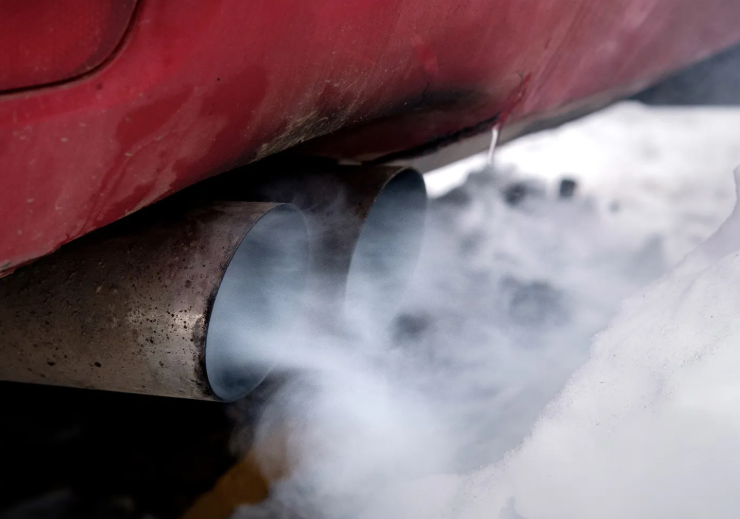
Interpreting exhaust smoke is a useful diagnostic tool that can help identify various engine issues. By observing the color and conditions under which smoke occurs, along with additional testing and inspections, you can better understand potential problems and take necessary actions to resolve them.
Blue Smoke
Blue exhaust smoke indicates that engine oil is leaking into the combustion chamber, usually due to worn piston rings. This condition is commonly referred to as "blow-by." It could also be caused by leaking valve stem seals, allowing oil to flow back into the cylinders. If these problems occur, you can rebuild the upper (cylinder head) or lower (cylinder block) part of the engine, but due to wear and the typically high mileage of vehicles experiencing these issues, it's often best to rebuild or replace the entire engine. The exhaust usually smells of burning oil.
Black Smoke
If black smoke is coming from the exhaust pipe, there may be a problem with the ignition system or the fuel supply system. All modern vehicles utilize sensors—some of which communicate with the on-board computer (ECM/PCM), while others receive instructions from the computer. Most sensors are used for emissions control, which involves monitoring or sensing various engine variables. These sensors that sense these variables feed information back to the computer so that the computer can instruct other sensors to make adjustments.
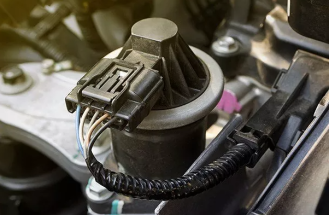
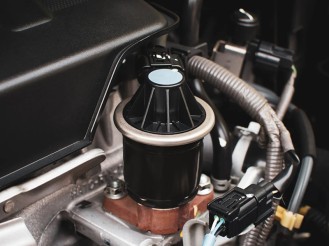
For example, the oxygen sensor senses how much unburned gas (or oxygen) is passing through the catalytic converter. The exhaust gas recirculation valve removes some of the unburned oxygen and recirculates it back into the cylinders as part of the air-fuel mixture, thus recycling it. It also helps cool the cylinders.
If your vehicle is equipped with a MAP or MAF sensor, and that sensor malfunctions, you will likely see black smoke coming from the exhaust pipe. The vehicle's operation will also become unstable.
You may also see black smoke from the exhaust pipe if the ignition system malfunctions, depending on which part of the ignition system fails and the severity of the failure.
White Smoke
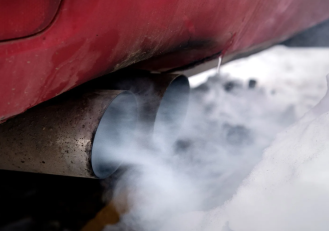
If you notice white smoke coming from the exhaust pipe, and it's not condensation from a cold start in the morning, you might also notice that the engine is running at a higher-than-normal temperature, or even overheating. This likely indicates a damaged cylinder head gasket on the exhaust side or a cracked cylinder head at the exhaust port. The exhaust may have a sweet smell or a distinctive antifreeze odor.
If you have identified a smoking issue but are unsure about the underlying cause or how to proceed, it’s best to consult with a professional mechanic. They can perform comprehensive diagnostics and recommend appropriate repairs.