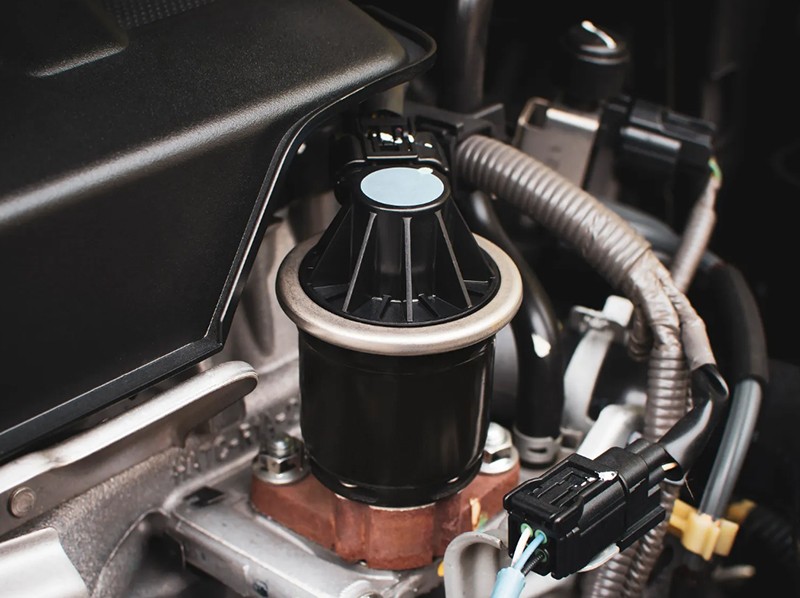
Deleting the EGR system without deleting the DPF can result in increased emissions, legal complications, potential engine overheating, and other performance issues. Proper tuning and consideration of local regulations are crucial if you decide to modify your vehicle's emissions systems.
Potential Consequences of EGR Delete Without DPF Delete
Increased Emissions:
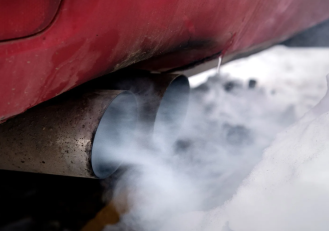
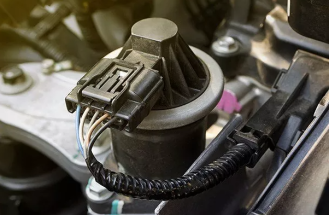
The primary function of the EGR system is to reduce nitrogen oxides (NOx) emissions by recirculating a portion of the exhaust gases back into the engine's intake. Removing the EGR can lead to higher NOx emissions, which can cause your vehicle to fail emissions testing in regions where such regulations are enforced.
Check Engine Light:
Deleting the EGR typically requires modifications to the vehicle's ECU (Engine Control Unit) to prevent error codes related to the EGR system from triggering a check engine light. You may encounter persistent error codes or a dashboard warning light if the ECU is not properly tuned.
Potential for Increased Engine Temperatures:
The EGR system helps lower combustion temperatures by introducing exhaust gases, which can dilute the air-fuel mixture. Without it, you may experience increased combustion temperatures, which could lead to overheating issues or greater thermal stress on engine components.
Impact on Fuel Efficiency:
While some drivers report improvements in fuel efficiency after an EGR delete due to reduced pumping losses, there is also a risk that increased combustion temperatures and changes in combustion dynamics may adversely affect fuel economy.
Legal and Warranty Issues:
Removing the EGR system may violate local emissions regulations. Vehicles with modified emissions control systems can face penalties, fines, and increased scrutiny during inspections. Additionally, such modifications often void manufacturer warranties.
Compounding Existing Issues:
If the vehicle already has underlying issues, such as poor fuel delivery or injector problems, removing the EGR might exacerbate these problems or change how they manifest.
If you are contemplating this kind of modification, it's wise to consult with a professional mechanic or emissions specialist to understand the implications and ensure full compliance with local laws.