The frequency with which you should change your car's air filter can vary based on several factors, including the type of filter, driving conditions, and manufacturer recommendations. Here are general guidelines to help you determine when to replace your air filter:
Manufacturer's Guidelines
Always refer to your vehicle owner’s manual for the manufacturer's specific recommendation regarding air filter replacement. Most manufacturers provide a recommended interval based on testing and data.
Typical Replacement Intervals
Standard Paper Filters: Generally recommended to be replaced every 15,000 to 30,000 miles (24,000 to 48,000 km), but this can vary.
Cotton Gauze Filters: These are often reusable and, if properly maintained and cleaned, may last 30,000 to 50,000 miles (48,000 to 80,000 km) or longer.
Foam Filters: Commonly used in performance applications; their lifespan depends on usage and maintenance but typically requires cleaning every 25,000 miles (40,000 km) or as specified by the manufacturer.
Driving Conditions
If you frequently drive in dusty or polluted environments (e.g., off-roading, urban areas with heavy traffic), you may need to inspect and replace the air filter more often. In such cases, checking the filter every 10,000 to 15,000 miles can be beneficial.
Visual Inspection
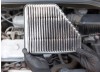
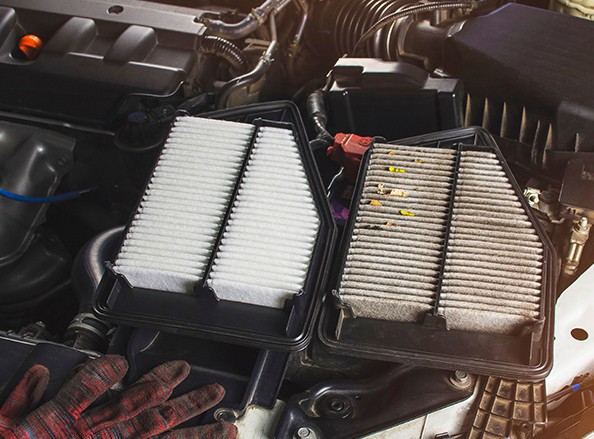
Regularly check the air filter for dirt, debris, or clogging—especially before long trips or during routine maintenance. If it looks dirty or clogged, it's time for a change, regardless of mileage.
Performance Symptoms
Notice symptoms of a dirty air filter (such as reduced engine performance, decreased fuel efficiency, or rough idling). It may be necessary to change the filter even if you haven't reached the recommended mileage.
While the typical replacement interval for an air filter is between 15,000 to 30,000 miles, it is essential to consider individual driving habits and conditions. Regularly inspecting the air filter and following your vehicle's maintenance schedule will help ensure optimal engine performance and fuel efficiency.