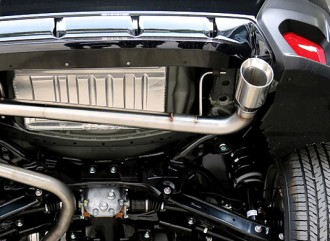
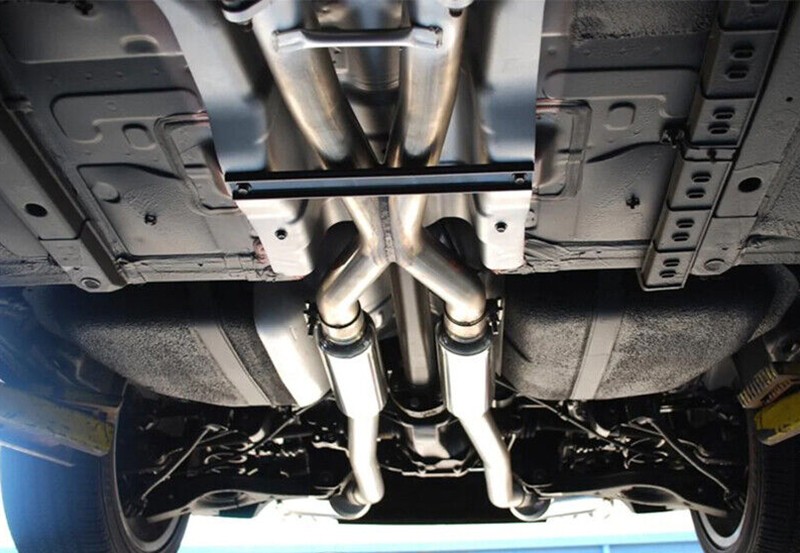
Yes, it is possible to reverse a DPF (Diesel Particulate Filter) delete, but the process can vary in complexity depending on how the delete was performed and the specific vehicle model. A DPF delete involves removing the diesel particulate filter from the exhaust system, often accompanied by modifications to the engine's ECU (Engine Control Unit) to disable DPF-related monitoring systems. This is typically done to improve engine performance, fuel efficiency, or reduce maintenance costs.
Reversing a DPF Delete
Reinstallation of the DPF:
If the DPF component is physically removed, it must often be reinstalled. If the original DPF has been discarded, you will need to purchase a replacement unit.
Reprogramming the ECU:
After reinstalling the DPF, the vehicle's ECU must be reprogrammed or reflashed to recognize the presence of the DPF and to restore factory settings. This may involve: 1. Returning to stock software settings. 2. Updating the ECU with the appropriate calibration files that include DPF functionality.
Additional Components:
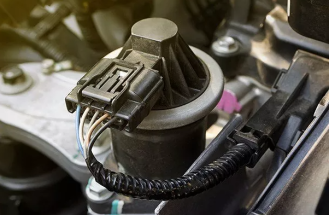
Other components related to the DPF, such as exhaust pressure sensors or temperature sensors, may also need to be reconnected or replaced if they were modified or removed during the delete process.
Considerations
Legal Implications:
Reversing a DPF delete may be necessary to comply with emissions regulations, especially if the vehicle is to be used on public roads. Most jurisdictions require vehicles to have functional emissions control systems.
Cost:
The cost involved in reversing a DPF delete can vary significantly based on labor charges, the price of parts (like a new DPF), and any required ECU reprogramming services.
Professional Assistance:
It is advisable to consult with a professional mechanic or a specialized tuning shop for the reversal process, especially if you're unfamiliar with automotive diagnostics and repairs.
While it is possible to reverse a DPF delete by reinstalling the DPF and reprogramming the ECU, it requires careful consideration and expertise. Ensuring compliance with local emissions laws is vital, and working with professionals can help make the process smoother and more reliable.